

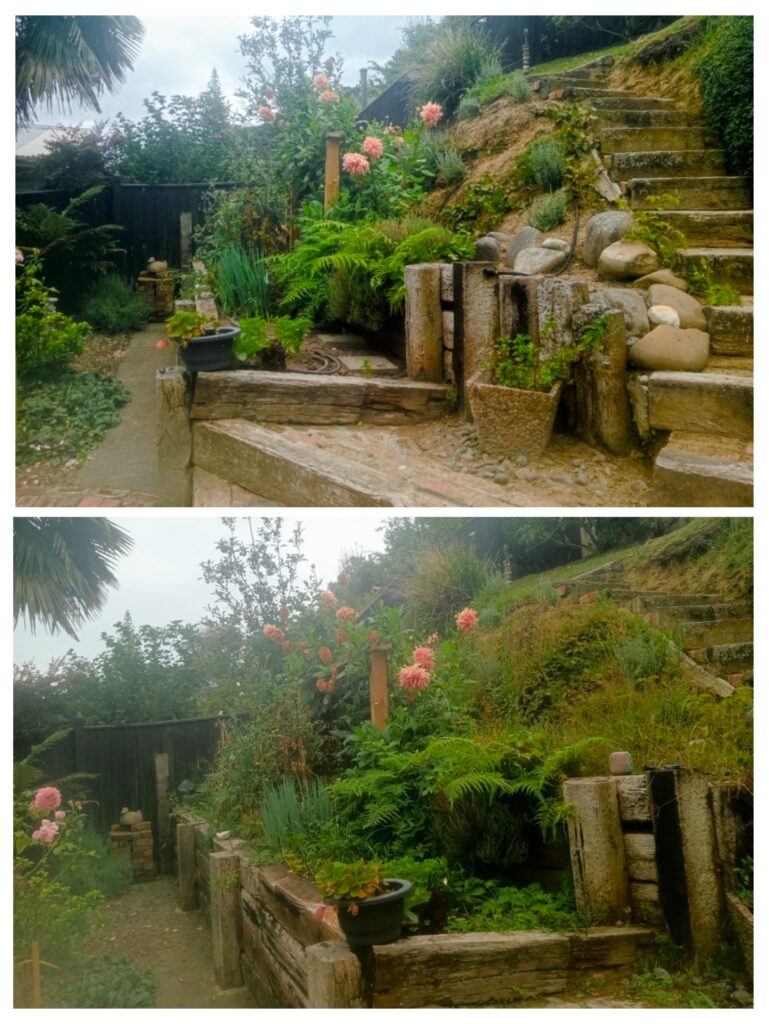
Walk out to a garden that’s overgrown, patchy, and fighting itself, and the work ahead feels enormous. Walk out to one that’s been consistently maintained through every season, and it barely asks anything of you. That’s the difference regular garden care makes. Not grand weekend overhauls. Small, consistent habits that compound into a yard that genuinely thrives.
If the list feels longer than your available weekends,gardening services in Hastings can take the heavy lifting off your plate while keeping your outdoor space in the shape you want it.
Neglect in a garden doesn’t stay contained. One overgrown bed spreads weed seeds into the next. An untrimmed hedge shades out the lawn underneath. Compacted soil from a wet winter stops water from reaching plant roots by spring.
A healthy garden is the result of decisions made throughout every season, not a single big clean-up in October. Consistent garden maintenance protects your soil, extends the life of your plants, and keeps the space usable rather than something you avoid looking at over the fence.
Let’s see some key maintenance tips homeowners can follow to keep their garden in top shape.
Lawn care maintenance isn’t just about mowing height. It’s about timing, consistency, and reading the grass.
Mow regularly during the growing season, but never remove more than a third of the blade length in a single cut. Scalping the lawn stresses the roots and creates gaps for weed growth to move in. In warmer months, raise the mowing height slightly so the longer blades shade the soil and retain moisture through dry patches.
Aerate compacted areas once a year to let water and nutrients reach the root zone, and overseed thin patches in autumn before the ground cools.
Weeds don’t wait for a convenient time. Keeping weeds under control is far easier when you pull them young, before the root system establishes and before they seed into the surrounding garden beds.
Work compost into your soil annually to improve structure and drainage. Healthy soil produces stronger plants that compete better against weeds naturally, which means less intervention from you over time. Mulching garden beds after weeding helps retain moisture and significantly slows regrowth.
Pruning done well shapes a plant and encourages stronger growth. Pruning done badly sets it back by a full season.
The basic rule: prune flowering shrubs shortly after they bloom. Many deciduous trees benefit from pruning during winter dormancy, while most evergreen hedges are best maintained with regular trimming throughout the growing season. Always use clean, sharp tools. Blunt cuts create ragged wounds that take longer to heal and are more likely to invite disease. Remove dead or crossing branches first, then step back and assess before removing anything green.
Water at the root, not the leaf. Wet foliage sitting overnight encourages fungal disease, particularly during periods of damp weather.
Early morning watering is the most effective approach. The soil absorbs moisture before the heat of the day drives evaporation, leaving it dry naturally before evening. Deep, infrequent watering encourages roots to grow downward towards consistent moisture rather than remain shallow and sensitive to drought. Once established, native plants need considerably less supplemental watering than most homeowners expect.
Getting the garden ready for each season makes the transition smoother and reduces reactive work:
These come up repeatedly and are worth knowing before they cost you a season’s growth:
Some jobs signal clearly that professional help is the right call:
Bringing in professional help at the right moment prevents the kind of overgrowth that turns routine maintenance into a multi-day restoration project.
A well-maintained garden does more than look appealing. It adds measurable value to your property, reduces the time and cost of seasonal clean-ups, and makes the outdoor space genuinely usable throughout the year rather than just on weekends when the weather cooperates.
Professional gardeners identify problems early, recommend the right products for NZ conditions, and carry out jobs like hedge trimming and tree pruning at the correct time of year for plant health, not just for appearance. For a long-term low-maintenance garden, getting the foundational work right from the start makes the difference.
A thriving outdoor space isn’t built in a single afternoon. It’s built across seasons, with consistent attention to the right things at the right time. Start with the top tips here, work through them over the year, and the garden stops being a source of stress and becomes a reason to spend time outside.
Let’s dig deep into some top garden maintenance tips with these FAQs.
For most Hastings gardens, a monthly maintenance schedule covers the essentials year-round. During peak growing season in spring and summer, fortnightly attention to lawns, weeds, and watering keeps things from getting ahead of you.
Early morning is the most practical time for watering and for tasks during warm weather. Structural work, such as pruning and soil preparation, is best done in late winter before the growing season begins, giving plants the full season to respond.
Mow regularly without cutting too short, water deeply rather than frequently, aerate once a year, and overseed thin patches in autumn. Consistent garden care through each season prevents the kind of deterioration that requires expensive remediation later.